
flow state

Skip to main content

Dripology

Find Your Flow: What a Sunday-Night House Call Taught Me About Execution
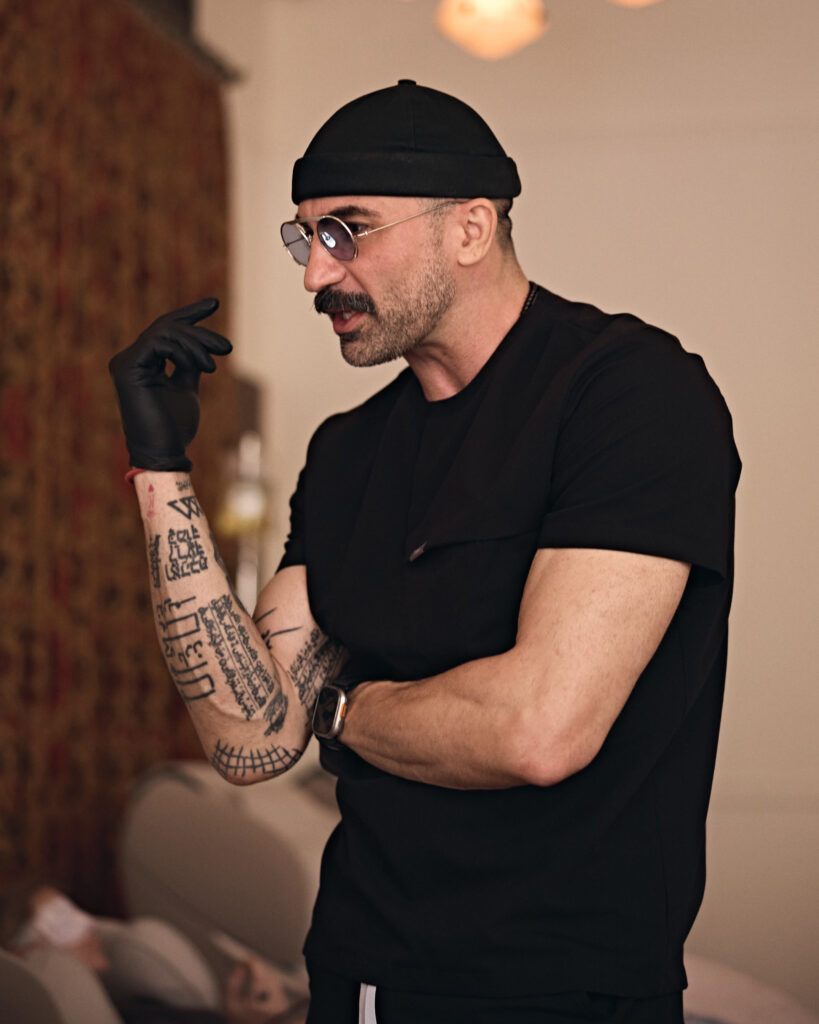
As CEO, I’m responsible for almost everything: hiring and firing, approving events, brand outreach and collaborations, training our team, choosing our equipment, placing stock orders, following up on every thread we have going, and making the day-to-day calls that keep the business moving. And every so often — rarely, but it happens — I’m still a nurse. I’ll go out and do patient care myself. This is a story about one of those nights. More than that, it’s about the single skill I believe carries you through almost anything: flow. It was a Sunday. Around 9 p.m., a request came in — a longtime client of my wife’s wanted an IV drip at home, along with her partner. We didn’t have a nurse staffed for that day and time, and I didn’t want to leave a good client without care or let the opportunity slip. So I said I’d go myself. Then the noise started. First, they asked us to send a female nurse — they preferred one. Any other day, we could have. That day, the only person available was me. We told them so, and they said that was fine. But here’s the thing: if you’re someone who lives in your own head, that’s the exact kind of detail that starts the spiral. Maybe they don’t really want me there. Maybe this is going to be awkward. I’ve done this long enough that I didn’t give it much weight. I put it down and kept moving. I got to the security gate around 8:45 and gave my name. They didn’t have me on the list. Who are you here to see? I gave the client’s name — they didn’t have that either. What address? I gave it. The guard made a few calls, and after a while, the gate opened. That’s another perfect moment to start second-guessing yourself. I didn’t. I parked on the street and rang the bell. The client opened the door and told me her partner had stepped out to run an errand and would be back soon — could I wait in the formal dining room? She asked me to take off my shoes. I sat down. And I realized it was just the two of us in a big house, alone. So I didn’t even open my kit. There was no cell reception either — common in the LA hills — so I just sat quietly and looked at photos of my daughter on my phone. I want to be clear about why: when it’s just you and a client alone in someone’s home, professionalism and discretion aren’t optional. I kept my kit closed, my hands visible, and myself exactly where I’d been asked to sit. After a while she came in and said her partner had been sick and she didn’t want to catch it — what did I recommend? I talked her through the options. She asked me to hold off on mixing the vitamins until he was back, so I could explain everything to him too. That made complete sense to me. Fifteen or twenty minutes later, she asked me to start her IV — and warned me she’s a very hard stick, that people always struggle with her veins. Add that to the pile: the waiting, and now someone telling you they’re difficult before you’ve even reached for the tourniquet. That’s more noise. Here’s what I did instead of listening to it. I went back to the only thing that matters in that moment: It’s just an arm. It’s just a tourniquet. It’s just a catheter. Hang the bag. Tourniquet on. One shot. Bag hung, vitamins in, dripping. Ten minutes into her drip, her partner walked in — an artist I’d admired for years. If you get starstruck, that’s your moment. He was direct: he’d been really sick, dehydrated, and he asked what was in the bag. I told him. “Let’s do it.” Same words running in my head — it’s just an arm, it’s just a tourniquet, it’s just a catheter — one shot, set up, dripping. And there was one more piece of noise running quietly underneath all of it: I hadn’t started an IV in over a month. I’ll be transparent about that. I run a company now; sticking veins isn’t my daily anymore. Am I going to be sharp? She’s a hard stick. He’s dehydrated. My answer to that voice is a flow so simple it can’t desert me — plus one question I always ask before I reach for anyone’s arm: are you right-handed or left-handed? The vasculature on your dominant side tends to be a little more pronounced. Small thing. Part of the order of operations. With both of them dripping, I gave them their privacy — they were on the couch watching Netflix. Liter bags run about 40 to 45 minutes, so I sat back in the dining room and came in for a quiet visual check every 15 or 20 minutes. Hers finished first; I decannulated her and cleared the pole, then waited and came back for him. I thanked them both and sent the invoice. And yes — there was no internet at the house, so I couldn’t charge them on the spot. Doesn’t matter. The invoice goes out later. The job is the job. Here’s why I tell this story. In one house call, there were at least half a dozen moments where I could have gotten tripped up — the gate, the gender request, the long wait, being alone in the house, the “hard stick,” the star power, the month away from it, the dead cell signal, the missing internet. None of it mattered. All that mattered was executing the task in front of me, cleanly and professionally. That’s flow. Not the mystical version — the practical one. A flow is an order of operations you’ve drilled so thoroughly that you can run it while everything around you is pulling at your attention. When the noise gets

Find Your Flow: What a Sunday-Night House Call Taught Me About Execution

As CEO, I’m responsible for almost everything: hiring and firing, approving events, brand outreach and collaborations, training our team, choosing our equipment, placing stock orders, following up on every thread we have going, and making the day-to-day calls that keep the business moving. And every so often — rarely, but it happens — I’m still a nurse. I’ll go out and do patient care myself. This is a story about one of those nights. More than that, it’s about the single skill I believe carries you through almost anything: flow. It was a Sunday. Around 9 p.m., a request came in — a longtime client of my wife’s wanted an IV drip at home, along with her partner. We didn’t have a nurse staffed for that day and time, and I didn’t want to leave a good client without care or let the opportunity slip. So I said I’d go myself. Then the noise started. First, they asked us to send a female nurse — they preferred one. Any other day, we could have. That day, the only person available was me. We told them so, and they said that was fine. But here’s the thing: if you’re someone who lives in your own head, that’s the exact kind of detail that starts the spiral. Maybe they don’t really want me there. Maybe this is going to be awkward. I’ve done this long enough that I didn’t give it much weight. I put it down and kept moving. I got to the security gate around 8:45 and gave my name. They didn’t have me on the list. Who are you here to see? I gave the client’s name — they didn’t have that either. What address? I gave it. The guard made a few calls, and after a while, the gate opened. That’s another perfect moment to start second-guessing yourself. I didn’t. I parked on the street and rang the bell. The client opened the door and told me her partner had stepped out to run an errand and would be back soon — could I wait in the formal dining room? She asked me to take off my shoes. I sat down. And I realized it was just the two of us in a big house, alone. So I didn’t even open my kit. There was no cell reception either — common in the LA hills — so I just sat quietly and looked at photos of my daughter on my phone. I want to be clear about why: when it’s just you and a client alone in someone’s home, professionalism and discretion aren’t optional. I kept my kit closed, my hands visible, and myself exactly where I’d been asked to sit. After a while she came in and said her partner had been sick and she didn’t want to catch it — what did I recommend? I talked her through the options. She asked me to hold off on mixing the vitamins until he was back, so I could explain everything to him too. That made complete sense to me. Fifteen or twenty minutes later, she asked me to start her IV — and warned me she’s a very hard stick, that people always struggle with her veins. Add that to the pile: the waiting, and now someone telling you they’re difficult before you’ve even reached for the tourniquet. That’s more noise. Here’s what I did instead of listening to it. I went back to the only thing that matters in that moment: It’s just an arm. It’s just a tourniquet. It’s just a catheter. Hang the bag. Tourniquet on. One shot. Bag hung, vitamins in, dripping. Ten minutes into her drip, her partner walked in — an artist I’d admired for years. If you get starstruck, that’s your moment. He was direct: he’d been really sick, dehydrated, and he asked what was in the bag. I told him. “Let’s do it.” Same words running in my head — it’s just an arm, it’s just a tourniquet, it’s just a catheter — one shot, set up, dripping. And there was one more piece of noise running quietly underneath all of it: I hadn’t started an IV in over a month. I’ll be transparent about that. I run a company now; sticking veins isn’t my daily anymore. Am I going to be sharp? She’s a hard stick. He’s dehydrated. My answer to that voice is a flow so simple it can’t desert me — plus one question I always ask before I reach for anyone’s arm: are you right-handed or left-handed? The vasculature on your dominant side tends to be a little more pronounced. Small thing. Part of the order of operations. With both of them dripping, I gave them their privacy — they were on the couch watching Netflix. Liter bags run about 40 to 45 minutes, so I sat back in the dining room and came in for a quiet visual check every 15 or 20 minutes. Hers finished first; I decannulated her and cleared the pole, then waited and came back for him. I thanked them both and sent the invoice. And yes — there was no internet at the house, so I couldn’t charge them on the spot. Doesn’t matter. The invoice goes out later. The job is the job. Here’s why I tell this story. In one house call, there were at least half a dozen moments where I could have gotten tripped up — the gate, the gender request, the long wait, being alone in the house, the “hard stick,” the star power, the month away from it, the dead cell signal, the missing internet. None of it mattered. All that mattered was executing the task in front of me, cleanly and professionally. That’s flow. Not the mystical version — the practical one. A flow is an order of operations you’ve drilled so thoroughly that you can run it while everything around you is pulling at your attention. When the noise gets

Find Your Flow: What a Sunday-Night House Call Taught Me About Execution

As CEO, I’m responsible for almost everything: hiring and firing, approving events, brand outreach and collaborations, training our team, choosing our equipment, placing stock orders, following up on every thread we have going, and making the day-to-day calls that keep the business moving. And every so often — rarely, but it happens — I’m still a nurse. I’ll go out and do patient care myself. This is a story about one of those nights. More than that, it’s about the single skill I believe carries you through almost anything: flow. It was a Sunday. Around 9 p.m., a request came in — a longtime client of my wife’s wanted an IV drip at home, along with her partner. We didn’t have a nurse staffed for that day and time, and I didn’t want to leave a good client without care or let the opportunity slip. So I said I’d go myself. Then the noise started. First, they asked us to send a female nurse — they preferred one. Any other day, we could have. That day, the only person available was me. We told them so, and they said that was fine. But here’s the thing: if you’re someone who lives in your own head, that’s the exact kind of detail that starts the spiral. Maybe they don’t really want me there. Maybe this is going to be awkward. I’ve done this long enough that I didn’t give it much weight. I put it down and kept moving. I got to the security gate around 8:45 and gave my name. They didn’t have me on the list. Who are you here to see? I gave the client’s name — they didn’t have that either. What address? I gave it. The guard made a few calls, and after a while, the gate opened. That’s another perfect moment to start second-guessing yourself. I didn’t. I parked on the street and rang the bell. The client opened the door and told me her partner had stepped out to run an errand and would be back soon — could I wait in the formal dining room? She asked me to take off my shoes. I sat down. And I realized it was just the two of us in a big house, alone. So I didn’t even open my kit. There was no cell reception either — common in the LA hills — so I just sat quietly and looked at photos of my daughter on my phone. I want to be clear about why: when it’s just you and a client alone in someone’s home, professionalism and discretion aren’t optional. I kept my kit closed, my hands visible, and myself exactly where I’d been asked to sit. After a while she came in and said her partner had been sick and she didn’t want to catch it — what did I recommend? I talked her through the options. She asked me to hold off on mixing the vitamins until he was back, so I could explain everything to him too. That made complete sense to me. Fifteen or twenty minutes later, she asked me to start her IV — and warned me she’s a very hard stick, that people always struggle with her veins. Add that to the pile: the waiting, and now someone telling you they’re difficult before you’ve even reached for the tourniquet. That’s more noise. Here’s what I did instead of listening to it. I went back to the only thing that matters in that moment: It’s just an arm. It’s just a tourniquet. It’s just a catheter. Hang the bag. Tourniquet on. One shot. Bag hung, vitamins in, dripping. Ten minutes into her drip, her partner walked in — an artist I’d admired for years. If you get starstruck, that’s your moment. He was direct: he’d been really sick, dehydrated, and he asked what was in the bag. I told him. “Let’s do it.” Same words running in my head — it’s just an arm, it’s just a tourniquet, it’s just a catheter — one shot, set up, dripping. And there was one more piece of noise running quietly underneath all of it: I hadn’t started an IV in over a month. I’ll be transparent about that. I run a company now; sticking veins isn’t my daily anymore. Am I going to be sharp? She’s a hard stick. He’s dehydrated. My answer to that voice is a flow so simple it can’t desert me — plus one question I always ask before I reach for anyone’s arm: are you right-handed or left-handed? The vasculature on your dominant side tends to be a little more pronounced. Small thing. Part of the order of operations. With both of them dripping, I gave them their privacy — they were on the couch watching Netflix. Liter bags run about 40 to 45 minutes, so I sat back in the dining room and came in for a quiet visual check every 15 or 20 minutes. Hers finished first; I decannulated her and cleared the pole, then waited and came back for him. I thanked them both and sent the invoice. And yes — there was no internet at the house, so I couldn’t charge them on the spot. Doesn’t matter. The invoice goes out later. The job is the job. Here’s why I tell this story. In one house call, there were at least half a dozen moments where I could have gotten tripped up — the gate, the gender request, the long wait, being alone in the house, the “hard stick,” the star power, the month away from it, the dead cell signal, the missing internet. None of it mattered. All that mattered was executing the task in front of me, cleanly and professionally. That’s flow. Not the mystical version — the practical one. A flow is an order of operations you’ve drilled so thoroughly that you can run it while everything around you is pulling at your attention. When the noise gets